Edge intelligence, central reasoning
A research note on giving efficient local models and larger central systems different jobs inside one security architecture.
Insights
Technical articles, research, engineering notes, and professional analysis about intelligent systems and the real engineering required to make them useful.
Topics describe what an idea is about. Formats describe what kind of piece it became.
Ergodic theory explains when one long trajectory can reveal a system’s statistical truth—and why data volume alone cannot guarantee learning.
Read the insight7 insights

Ergodic theory explains when one long trajectory can reveal a system’s statistical truth—and why data volume alone cannot guarantee learning.

How military service, resilience, and an applied research mindset shape my work in cybersecurity and AI at the University of South Florida.
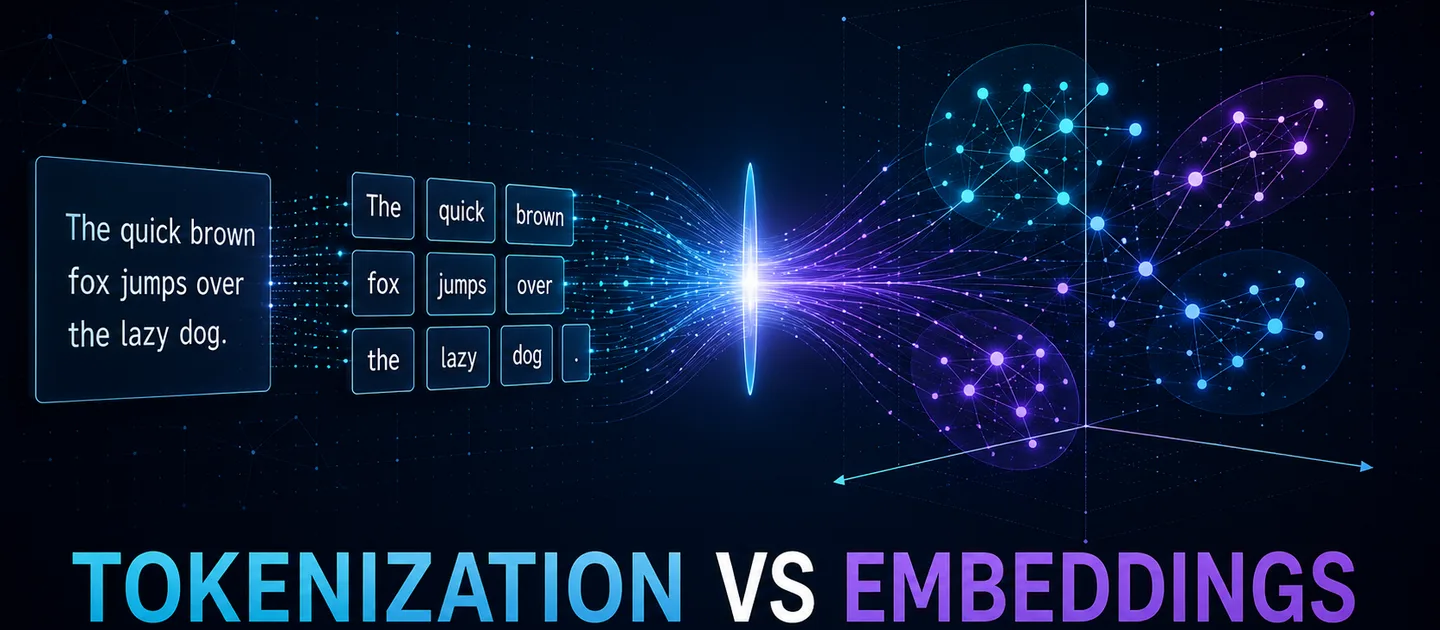
Tokenization breaks text into model-readable units. Embeddings place those units—or entire passages—into learned numerical spaces. Here is how the major approaches work and why the distinction matters.
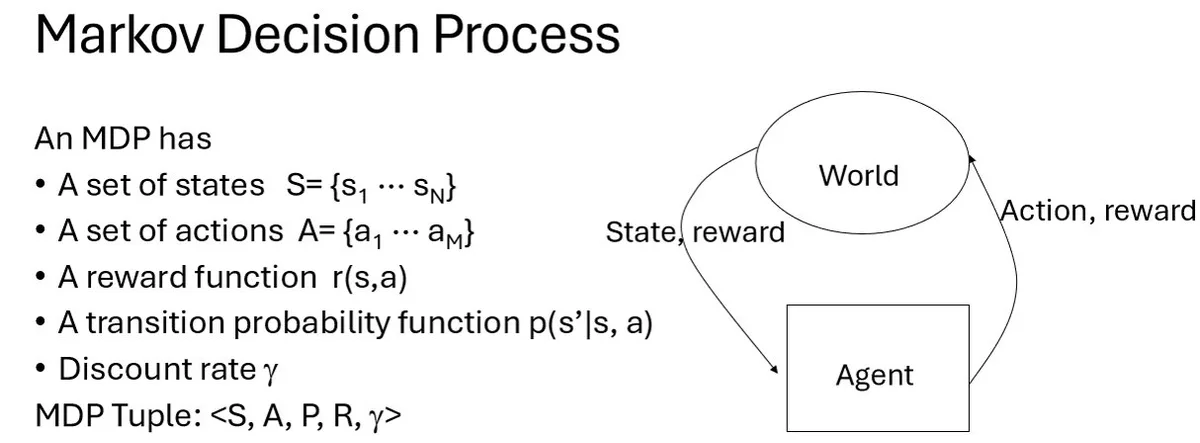
A practical guide to two leading reinforcement-learning algorithms: how Markov decision processes frame the problem, why PPO favors stable updates, and why SAC emphasizes sample efficiency and exploration.
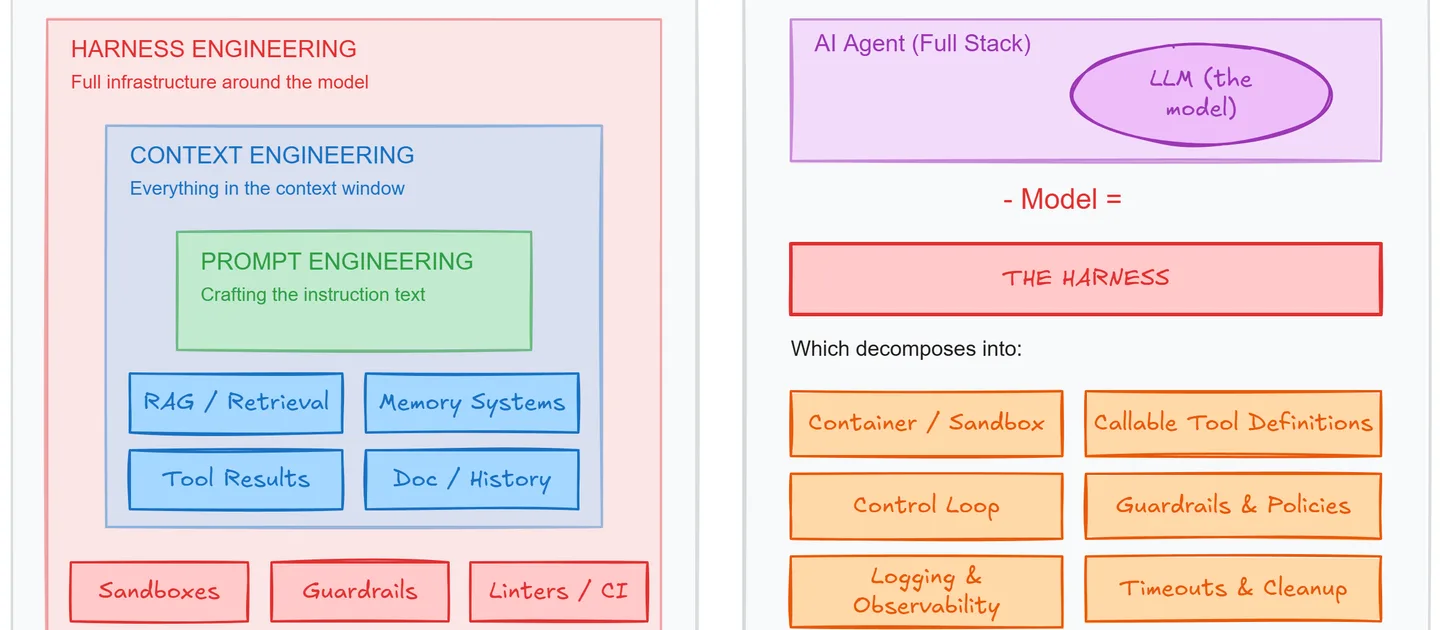
The model may supply the reasoning, but the harness makes an agent operational. Here is how prompt, context, runtime, tools, memory, safety, and observability fit together—and why the stack should feel familiar to DevOps engineers.
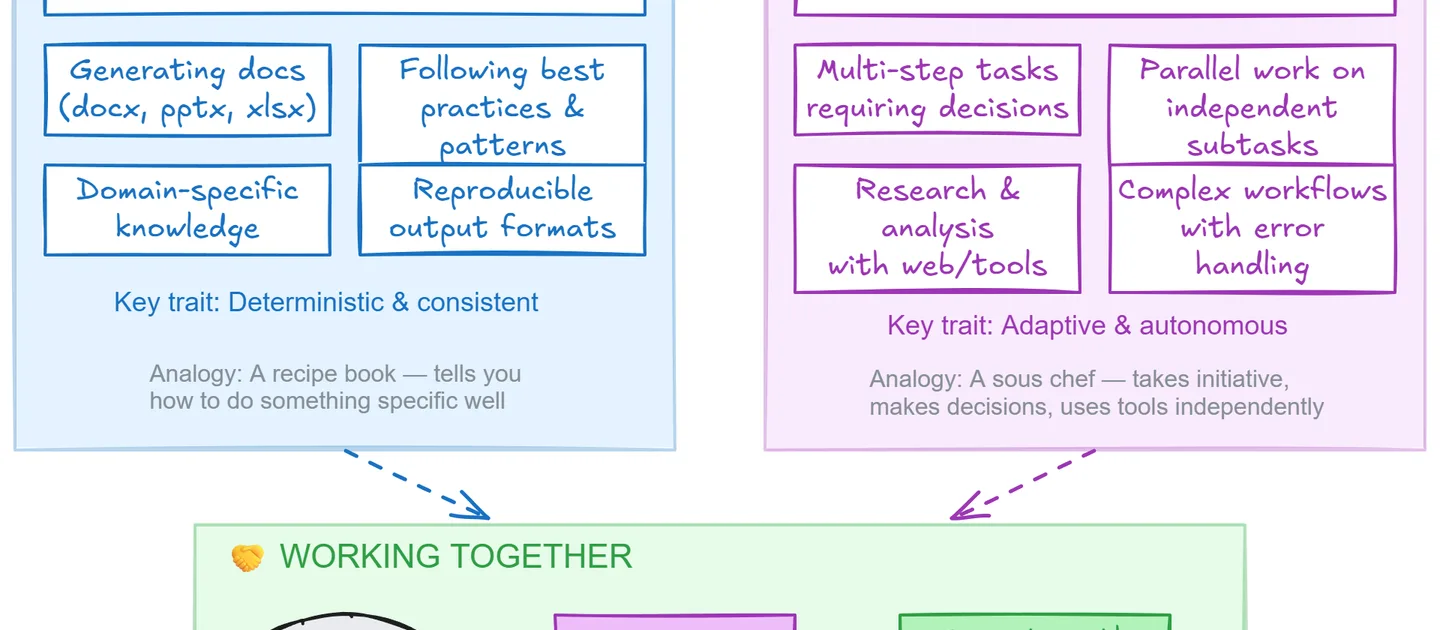
Agents provide judgment, context, and action; skills package repeatable methods. Understanding the boundary makes both easier to design, secure, and reuse.
From insights to work
A research note on giving efficient local models and larger central systems different jobs inside one security architecture.
From the law of large numbers to Mamba-based telemetry analysis and human trial-and-error, the value of repetition depends on what the process lets us observe.